Skip to content
October 30, 2026

Old Story

  • Home
  • Old Story Life
Main Menu

Old Story Life

I Married an Older Woman for Money and a Place to Stay – After Her Funeral, Her Lawyer Handed Me a Box and Said, ‘This Is What You Really Wanted’

May 29, 2026 - by Old Story Life - Leave a Comment

I married Evie because I needed shelter, security, and a future I thought her house could give me. For a long time, I called it survival because that sounded better …

I Married an Older Woman for Money and a Place to Stay – After Her Funeral, Her Lawyer Handed Me a Box and Said, ‘This Is What You Really Wanted’ Read More



I canceled my ex-mother-in-law’s credit card the moment the divorce was finalized—and when my ex called, furious, I finally said everything I had kept bottled up for years. “She’s your mother, not mine. If she still wants quilted Chanel bags from Fifth Avenue, figure out how to pay for them yourself.”

May 29, 2026 - by Old Story Life - Leave a Comment

Less than twelve hours later, someone was pounding on my front door. “What exactly did you do, Marissa?” Anthony’s voice exploded through the speakerphone, full of the same entitled anger …

I canceled my ex-mother-in-law’s credit card the moment the divorce was finalized—and when my ex called, furious, I finally said everything I had kept bottled up for years. “She’s your mother, not mine. If she still wants quilted Chanel bags from Fifth Avenue, figure out how to pay for them yourself.” Read More

My son called me a burden behind my back. He didn’t know I heard every word.

May 29, 2026 - by Old Story Life - Leave a Comment

The key would not turn. Daniel stood on my front porch in his airport clothes with one hand resting on a hard shell suitcase and the other twisting that silver …

My son called me a burden behind my back. He didn’t know I heard every word. Read More

“We’re grieving. Call a taxi yourself,” my mother-in-law said while I went into labor at the funeral.

May 29, 2026 - by Old Story Life - Leave a Comment

The rain had turned the grass at Oakwood Memorial Park into a soft, muddy sponge by the time the mahogany casket of Thomas Miller reached the final resting place. I …

“We’re grieving. Call a taxi yourself,” my mother-in-law said while I went into labor at the funeral. Read More

An 8-year-old was humiliated on livestream while the family laughed. Then Mom made things worse.

May 29, 2026 - by Old Story Life - Leave a Comment

The backyard smelled like burgers, charcoal smoke, and sugar frosting melting in the late May heat. Sarah had been moving since 8:00 that morning, wiping patio tables, refilling ice, taping …

An 8-year-old was humiliated on livestream while the family laughed. Then Mom made things worse. Read More

My father shattered my tooth because I refused to give my salary to my sister. Three weeks later, official documents changed everything.

May 29, 2026 - by Old Story Life - Leave a Comment

I heard the sound a fraction of a second before my brain registered the pain. It was a sickening, dry crack—the distinct, horrifying acoustic profile of bone colliding heavily with …

My father shattered my tooth because I refused to give my salary to my sister. Three weeks later, official documents changed everything. Read More
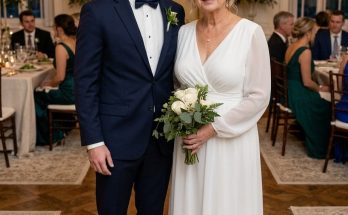
I married Evie for shelter, security, and the future I thought her house could give me. I told myself it was survival, not cruelty. But after her funeral, her lawyer handed me a shoebox that proved Evie had known the truth all along. I married Evie and, for a long time, I called it survival because that sounded better than the truth. Evelyn was seventy-one, widowed, and gentle in a way that made people soften around her. I was twenty-five, broke, buried in debt, and sleeping in my truck behind a grocery store where the night manager pretended not to notice me. So when Evie asked me to marry her, I said yes. It wasn’t because I loved her. I called it survival because that sounded better than the truth. It was because her house had heat, her fridge was full, and I was tired of washing my face in gas station bathrooms before job interviews. I was done fighting to survive. *** The first person I told was Jesse, an old coworker who could make any cruel thought sound like a joke after two beers. We were sitting at a bar when I said, “Jess, I’m getting married.” Jesse almost spit out his drink. “To who?” “Evie.” “The old widow with the blue house?” “Jess, I’m getting married.” “Keep your voice down.” He leaned back, grinning. “Damon, that’s not a marriage. That’s just shelter with benefits.” “It’s a roof, Jesse,” I muttered. “It could all belong to you if you wait long enough.” I should have left. Instead, I stared at my beer and said, “I’m tired, Jesse. I’m tired of being cold. I’m tired of collection calls. I’m tired of smelling like gas station soap.” “So you just found a better plan.” I didn’t answer. “Damon, that’s not a marriage.” *** Two weeks before the courthouse wedding, Evie slid a folder across her kitchen table. “What’s this?” I asked. “A prenuptial agreement, Damon.” “You’re serious?” “Lonely doesn’t mean careless.” She folded her hands on the table. “The house stays mine. My savings stay mine. And if something happens to me, my will speaks for me.” “A prenuptial agreement.” “You think I’m after your money, Evie?” She looked at me over her reading glasses. “I think hunger makes good people do ugly things, honey.” My face burned. “I’m not hungry anymore. Not like I used to be.” “No,” she said. “But you still eat like someone might take the plate.” I nodded and signed it anyway. Paper was paper, I told myself. Time changed things, and people changed wills. “You think I’m after your money, Evie?” *** Everyone called her Evelyn, but she let me call her Evie because it made her feel young. That was Evie; she left pieces of herself in the room. Most days, I didn’t pick them up. But I noticed the full pantry. The soft towels. The stacked medicine cupboard. The doctor appointments written on the fridge calendar. Every appointment caught my attention. Every new pill bottle made me wonder how much time she had left. Still, Evie treated me better than I deserved. Every appointment caught my attention. *** One afternoon, Evie left new boots by the door. Another week, a heavy coat hung there too. “I don’t need charity,” I said. “Then call it household maintenance. I don’t like muddy floors.” When I said I could buy my own coat, she only asked, “Can you?” *** At our local diner, every waitress knew Evie. I hated that place because people loved her and questioned me. One afternoon, she stirred sugar into her tea and said, “You get quiet when people are kind to me. Why?” I looked up. “I don’t need charity.” “You start tapping your fingers, like you’re counting who trusts me and who would be disappointed.” I forced a laugh. “That’s a lot to get from a cup of tea.” She touched the sleeve of my new coat. “You look ashamed when I notice what you need.” “I’m not ashamed.” “Damon.” I hated when she said my name like that. Soft, but firm enough to stop me. “I’m fine.” I looked away first. “I’m not ashamed.” Evie never chased a confession. She just left the door open and waited to see if I had the courage to walk through. I never did. One night, I found her sitting on the bottom stair with one hand pressed against the wall. “Evie?” She looked up, annoyed that I had caught her. “I’m fine.” “You’re sitting in the dark.” I found her sitting on the bottom stair. “I was resting.” “On the stairs?” That made her sigh. I helped her up, and for one brief second, she leaned her weight into me before pulling away. In the kitchen, I filled the kettle. “You don’t have to fuss,” she said. “I’m making tea.” “I was resting.” “Then at least let the water boil first.” I glanced down at the kettle, embarrassed. She laughed softly, and for a few minutes, the room felt almost normal. Like I was a husband. Like she wasn’t just a roof I was standing under. Then my phone buzzed with a text from Jesse. “How’s the retirement plan?” I glanced at Evie. She was smiling at the mug I’d made her. “How’s the retirement plan?” “Damon?” she asked. “Everything all right?” “Yeah,” I said, already typing. “Just Jesse being stupid.” “All good. Once she’s gone, I’m set.” I hated myself for two seconds. Then I locked my phone and acted like two seconds of hate was enough. *** Three mornings later, Evie dropped a spoon on the kitchen floor. I turned from the stove. “Evie?” I hated myself for two seconds. She gripped the counter. Her mouth moved, but no words came out. “Hey. Look at me.” Her knees buckled. I caught her before her head hit the floor. At the hospital, a doctor with tired eyes found me. “I’m sorry,” he said. “Her heart failed.” “She was just eating jam,” I whispered. “Hey. Look at me.” *** The funeral was three days later. I wore the coat she bought me. Claire, Evie’s niece, saw it first. “Of course you wore that.” “It’s cold.” “No. You still know how to use her.” “I was her husband.” “You were her project.” That hit harder than gold digger because part of me knew it was true. “I was her husband.” But under the shame, one thought kept pushing forward. The will. *** The next morning, I sat across from Mr. Carson, Evie’s lawyer, downtown. “The house goes to Claire,” he said. I sat forward. “That’s not possible.” “It is, Damon. It’s stated in her will.” “I was her husband.” “The house goes to Claire.” “And you signed an agreement before the marriage.” “What about her savings?” “Her liquid assets go to the church’s community charity.” My throat tightened. “She left me nothing?” Mr. Carson adjusted his glasses. “She left you one personal item.” “A check?” “A shoebox.” “She left me nothing?” He placed an old cardboard box on the desk. My name sat across the lid in Evie’s careful handwriting. I stared at it. “This is all?” “This is what she asked me to give you.” “What is it?” Mr. Carson didn’t look away. “She said this is what you really wanted.” My fingers felt stiff as I lifted the lid. The first thing inside was a folded sheet of printed paper. I opened it and saw the words from my text to Jesse: “All good. Once she’s gone, I’m set.” “She said this is what you really wanted.” The office went silent around me. “Where did she get this?” I asked. “She said your phone lit up on the kitchen table while she was sitting there.” “And she read it?” “She saw enough,” Mr. Carson said. “Then she wrote the words down and asked me to keep them for this box.” “And she never said anything?” “No. She wanted to see what you would do without being caught.” “Where did she get this?” I dropped the paper back into the box like it had burned me. Beneath it was a stack of receipts for boots, a coat, mechanic bills, a dental visit, and two credit card payments. Each receipt had Evie’s handwriting on it. “You lied about this one.” “You thanked me for this one.” “You almost told me the truth here.” The last receipt was for the coat I’d worn to her funeral. “You lied about this one.” “You looked ashamed when I noticed you were cold, Damon. That was the first honest thing I saw on your face.” I covered my mouth. “Why would she keep all this?” “Because she knew you were keeping score too,” Mr. Carson said. I looked up. “So this was punishment?” “No. She was clear about that.” He handed me an envelope. “Read it.” “So this was punishment?” I opened it with shaking hands. “Damon, You probably think I left you with nothing. I left you with the truth because it’s the one thing you cannot sell. I knew why you married me. I knew before the courthouse. I knew when you smiled too hard at my neighbors and watched my medicine bottles stack up. And yes, I knew about the message: “All good. Once she’s gone, I’m set.” I kept it so you could see what fear made you willing to become. “I left you with the truth.” But I saw more than that. You fixed Mrs. Alvarez’s porch rail and refused her money. You sat through my appointments, even when hospitals made you restless. You made terrible tea when my hands shook too badly to hold the kettle. You weren’t good to me, Damon. Not fully. Not honestly. But you weren’t empty. That’s why I stayed married to you. I needed a remedy for my loneliness, and you needed someone to take care of you. But not like this. “You weren’t good to me, Damon.” So choose. Take this box and disappear, or stand in front of the people who loved me and tell the truth. I’m not asking them to forgive you. I’m asking you to stop lying. That is what you really wanted. Not my house or my money, but a way to stop being afraid. Evie.” “I’m asking you to stop lying.” *** When I finished Evie’s letter, I could barely breathe. Mr. Carson placed two envelopes on the desk. “Envelope A means you leave with the box,” he said. “No one hears anything else from this office.” “And B?” “There’s a luncheon tomorrow for the fund Evie created. If you attend, I read her final note. After that, you decide whether to speak.” I stared at the envelopes. “Everyone will know.” “If you attend, I read her final note.” “Only if you tell them.” That was worse. Evie had left the knife in my hand. *** The next afternoon, I walked into the church basement alone. Claire saw me first. “No.” “I’m not here to take anything.” “That would be new.” “I deserve that,” I said. “But I’m staying.” Mr. Carson tapped the microphone. The room quieted. “I’m not here to take anything.” “This fund,” he read, “is for people one bad month away from becoming someone they don’t recognize. I asked Damon here because he knows what fear can do. I ask him to prove my kindness didn’t die with me.” Every face turned toward me. I stood before I could run. “She knew,” I said. “I married Evie because I was broke, scared, and selfish. I thought her house was my way out.” Someone near the coffee urn whispered, “Sit down.” Every face turned toward me. I looked at him once. “No.” Then I faced the room again. “I sent a text saying, ‘Once she’s gone, I’m set.’ Evie saw it. She kept it. And somehow, she still gave me a chance to tell the truth myself.” Claire covered her mouth as I turned to Mr. Carson. “The fund can’t carry my name.” He studied me over his glasses. “Evie requested that it did.” “She still gave me a chance to tell the truth myself.” “Then I’m requesting that it doesn’t.” “You understand that removes the only public honor she left you?” “I haven’t earned honor.” The room stayed quiet. “Put her name on it,” I said. “Mine can wait until it means something.” *** Six months later, I was unloading canned goods behind the church when Claire walked up with a clipboard. “You’re early.” “I haven’t earned honor.” “Truck started for once.” I handed her an envelope. “What’s this?” “First payment. For the boots, the coat, and the mechanic bill. I can’t pay it all back today.” Claire opened it slowly. “She didn’t ask for this.” “I know.” “Then why do it?” “Because she’s not here to make me.” “She didn’t ask for this.” Claire tucked the check into her folder. “Evie would say Thursdays are a decent start.” That evening, I visited Evie’s grave with the printed message in my pocket. I tore it into pieces, then closed my fist around them. “I won’t leave my shame here,” I said. “You carried enough.” I had married Evie because I wanted her life. In the end, she made me earn my own. “You carried enough.”

I married an older woman for money and security. After her funeral, her lawyer handed me a box that changed everything.

May 29, 2026 - by Old Story Life - Leave a Comment

I married Evie for shelter, security, and the future I thought her house could give me. I told myself it was survival, not cruelty. But after her funeral, her lawyer …

I married an older woman for money and security. After her funeral, her lawyer handed me a box that changed everything. Read More

A grandmother smashed a car window—and exposed the terrifying lie her son-in-law was hiding.

May 28, 2026 - by Old Story Life - Leave a Comment

At first, I thought the car was empty. That is the part I still hate admitting. It was parked crooked in my driveway, its front tire half on the grass …

A grandmother smashed a car window—and exposed the terrifying lie her son-in-law was hiding. Read More
I married Evie for shelter, security, and the future I thought her house could give me. I told myself it was survival, not cruelty. But after her funeral, her lawyer handed me a shoebox that proved Evie had known the truth all along. I married Evie and, for a long time, I called it survival because that sounded better than the truth. Evelyn was seventy-one, widowed, and gentle in a way that made people soften around her. I was twenty-five, broke, buried in debt, and sleeping in my truck behind a grocery store where the night manager pretended not to notice me. So when Evie asked me to marry her, I said yes. It wasn’t because I loved her. I called it survival because that sounded better than the truth. It was because her house had heat, her fridge was full, and I was tired of washing my face in gas station bathrooms before job interviews. I was done fighting to survive. *** The first person I told was Jesse, an old coworker who could make any cruel thought sound like a joke after two beers. We were sitting at a bar when I said, “Jess, I’m getting married.” Jesse almost spit out his drink. “To who?” “Evie.” “The old widow with the blue house?” “Jess, I’m getting married.” “Keep your voice down.” He leaned back, grinning. “Damon, that’s not a marriage. That’s just shelter with benefits.” “It’s a roof, Jesse,” I muttered. “It could all belong to you if you wait long enough.” I should have left. Instead, I stared at my beer and said, “I’m tired, Jesse. I’m tired of being cold. I’m tired of collection calls. I’m tired of smelling like gas station soap.” “So you just found a better plan.” I didn’t answer. “Damon, that’s not a marriage.” *** Two weeks before the courthouse wedding, Evie slid a folder across her kitchen table. “What’s this?” I asked. “A prenuptial agreement, Damon.” “You’re serious?” “Lonely doesn’t mean careless.” She folded her hands on the table. “The house stays mine. My savings stay mine. And if something happens to me, my will speaks for me.” “A prenuptial agreement.” “You think I’m after your money, Evie?” She looked at me over her reading glasses. “I think hunger makes good people do ugly things, honey.” My face burned. “I’m not hungry anymore. Not like I used to be.” “No,” she said. “But you still eat like someone might take the plate.” I nodded and signed it anyway. Paper was paper, I told myself. Time changed things, and people changed wills. “You think I’m after your money, Evie?” *** Everyone called her Evelyn, but she let me call her Evie because it made her feel young. That was Evie; she left pieces of herself in the room. Most days, I didn’t pick them up. But I noticed the full pantry. The soft towels. The stacked medicine cupboard. The doctor appointments written on the fridge calendar. Every appointment caught my attention. Every new pill bottle made me wonder how much time she had left. Still, Evie treated me better than I deserved. Every appointment caught my attention. *** One afternoon, Evie left new boots by the door. Another week, a heavy coat hung there too. “I don’t need charity,” I said. “Then call it household maintenance. I don’t like muddy floors.” When I said I could buy my own coat, she only asked, “Can you?” *** At our local diner, every waitress knew Evie. I hated that place because people loved her and questioned me. One afternoon, she stirred sugar into her tea and said, “You get quiet when people are kind to me. Why?” I looked up. “I don’t need charity.” “You start tapping your fingers, like you’re counting who trusts me and who would be disappointed.” I forced a laugh. “That’s a lot to get from a cup of tea.” She touched the sleeve of my new coat. “You look ashamed when I notice what you need.” “I’m not ashamed.” “Damon.” I hated when she said my name like that. Soft, but firm enough to stop me. “I’m fine.” I looked away first. “I’m not ashamed.” Evie never chased a confession. She just left the door open and waited to see if I had the courage to walk through. I never did. One night, I found her sitting on the bottom stair with one hand pressed against the wall. “Evie?” She looked up, annoyed that I had caught her. “I’m fine.” “You’re sitting in the dark.” I found her sitting on the bottom stair. “I was resting.” “On the stairs?” That made her sigh. I helped her up, and for one brief second, she leaned her weight into me before pulling away. In the kitchen, I filled the kettle. “You don’t have to fuss,” she said. “I’m making tea.” “I was resting.” “Then at least let the water boil first.” I glanced down at the kettle, embarrassed. She laughed softly, and for a few minutes, the room felt almost normal. Like I was a husband. Like she wasn’t just a roof I was standing under. Then my phone buzzed with a text from Jesse. “How’s the retirement plan?” I glanced at Evie. She was smiling at the mug I’d made her. “How’s the retirement plan?” “Damon?” she asked. “Everything all right?” “Yeah,” I said, already typing. “Just Jesse being stupid.” “All good. Once she’s gone, I’m set.” I hated myself for two seconds. Then I locked my phone and acted like two seconds of hate was enough. *** Three mornings later, Evie dropped a spoon on the kitchen floor. I turned from the stove. “Evie?” I hated myself for two seconds. She gripped the counter. Her mouth moved, but no words came out. “Hey. Look at me.” Her knees buckled. I caught her before her head hit the floor. At the hospital, a doctor with tired eyes found me. “I’m sorry,” he said. “Her heart failed.” “She was just eating jam,” I whispered. “Hey. Look at me.” *** The funeral was three days later. I wore the coat she bought me. Claire, Evie’s niece, saw it first. “Of course you wore that.” “It’s cold.” “No. You still know how to use her.” “I was her husband.” “You were her project.” That hit harder than gold digger because part of me knew it was true. “I was her husband.” But under the shame, one thought kept pushing forward. The will. *** The next morning, I sat across from Mr. Carson, Evie’s lawyer, downtown. “The house goes to Claire,” he said. I sat forward. “That’s not possible.” “It is, Damon. It’s stated in her will.” “I was her husband.” “The house goes to Claire.” “And you signed an agreement before the marriage.” “What about her savings?” “Her liquid assets go to the church’s community charity.” My throat tightened. “She left me nothing?” Mr. Carson adjusted his glasses. “She left you one personal item.” “A check?” “A shoebox.” “She left me nothing?” He placed an old cardboard box on the desk. My name sat across the lid in Evie’s careful handwriting. I stared at it. “This is all?” “This is what she asked me to give you.” “What is it?” Mr. Carson didn’t look away. “She said this is what you really wanted.” My fingers felt stiff as I lifted the lid. The first thing inside was a folded sheet of printed paper. I opened it and saw the words from my text to Jesse: “All good. Once she’s gone, I’m set.” “She said this is what you really wanted.” The office went silent around me. “Where did she get this?” I asked. “She said your phone lit up on the kitchen table while she was sitting there.” “And she read it?” “She saw enough,” Mr. Carson said. “Then she wrote the words down and asked me to keep them for this box.” “And she never said anything?” “No. She wanted to see what you would do without being caught.” “Where did she get this?” I dropped the paper back into the box like it had burned me. Beneath it was a stack of receipts for boots, a coat, mechanic bills, a dental visit, and two credit card payments. Each receipt had Evie’s handwriting on it. “You lied about this one.” “You thanked me for this one.” “You almost told me the truth here.” The last receipt was for the coat I’d worn to her funeral. “You lied about this one.” “You looked ashamed when I noticed you were cold, Damon. That was the first honest thing I saw on your face.” I covered my mouth. “Why would she keep all this?” “Because she knew you were keeping score too,” Mr. Carson said. I looked up. “So this was punishment?” “No. She was clear about that.” He handed me an envelope. “Read it.” “So this was punishment?” I opened it with shaking hands. “Damon, You probably think I left you with nothing. I left you with the truth because it’s the one thing you cannot sell. I knew why you married me. I knew before the courthouse. I knew when you smiled too hard at my neighbors and watched my medicine bottles stack up. And yes, I knew about the message: “All good. Once she’s gone, I’m set.” I kept it so you could see what fear made you willing to become. “I left you with the truth.” But I saw more than that. You fixed Mrs. Alvarez’s porch rail and refused her money. You sat through my appointments, even when hospitals made you restless. You made terrible tea when my hands shook too badly to hold the kettle. You weren’t good to me, Damon. Not fully. Not honestly. But you weren’t empty. That’s why I stayed married to you. I needed a remedy for my loneliness, and you needed someone to take care of you. But not like this. “You weren’t good to me, Damon.” So choose. Take this box and disappear, or stand in front of the people who loved me and tell the truth. I’m not asking them to forgive you. I’m asking you to stop lying. That is what you really wanted. Not my house or my money, but a way to stop being afraid. Evie.” “I’m asking you to stop lying.” *** When I finished Evie’s letter, I could barely breathe. Mr. Carson placed two envelopes on the desk. “Envelope A means you leave with the box,” he said. “No one hears anything else from this office.” “And B?” “There’s a luncheon tomorrow for the fund Evie created. If you attend, I read her final note. After that, you decide whether to speak.” I stared at the envelopes. “Everyone will know.” “If you attend, I read her final note.” “Only if you tell them.” That was worse. Evie had left the knife in my hand. *** The next afternoon, I walked into the church basement alone. Claire saw me first. “No.” “I’m not here to take anything.” “That would be new.” “I deserve that,” I said. “But I’m staying.” Mr. Carson tapped the microphone. The room quieted. “I’m not here to take anything.” “This fund,” he read, “is for people one bad month away from becoming someone they don’t recognize. I asked Damon here because he knows what fear can do. I ask him to prove my kindness didn’t die with me.” Every face turned toward me. I stood before I could run. “She knew,” I said. “I married Evie because I was broke, scared, and selfish. I thought her house was my way out.” Someone near the coffee urn whispered, “Sit down.” Every face turned toward me. I looked at him once. “No.” Then I faced the room again. “I sent a text saying, ‘Once she’s gone, I’m set.’ Evie saw it. She kept it. And somehow, she still gave me a chance to tell the truth myself.” Claire covered her mouth as I turned to Mr. Carson. “The fund can’t carry my name.” He studied me over his glasses. “Evie requested that it did.” “She still gave me a chance to tell the truth myself.” “Then I’m requesting that it doesn’t.” “You understand that removes the only public honor she left you?” “I haven’t earned honor.” The room stayed quiet. “Put her name on it,” I said. “Mine can wait until it means something.” *** Six months later, I was unloading canned goods behind the church when Claire walked up with a clipboard. “You’re early.” “I haven’t earned honor.” “Truck started for once.” I handed her an envelope. “What’s this?” “First payment. For the boots, the coat, and the mechanic bill. I can’t pay it all back today.” Claire opened it slowly. “She didn’t ask for this.” “I know.” “Then why do it?” “Because she’s not here to make me.” “She didn’t ask for this.” Claire tucked the check into her folder. “Evie would say Thursdays are a decent start.” That evening, I visited Evie’s grave with the printed message in my pocket. I tore it into pieces, then closed my fist around them. “I won’t leave my shame here,” I said. “You carried enough.” I had married Evie because I wanted her life. In the end, she made me earn my own. “You carried enough.”

I married an older woman for money and security. After her funeral, her lawyer handed me a box that changed everything.

May 28, 2026 - by Old Story Life - Leave a Comment

I married Evie for shelter, security, and the future I thought her house could give me. I told myself it was survival, not cruelty. But after her funeral, her lawyer …

I married an older woman for money and security. After her funeral, her lawyer handed me a box that changed everything. Read More
At my dad’s retirement BBQ, I handed him a $10,000 Rolex. For about three seconds, everyone applauded. Then Dad glanced at the watch, looked directly at me, and smirked. “You’re still my disappointment.” The backyard fell strangely still. Not completely silent. Music still drifted from the patio speakers, burgers still hissed on the grill, and my uncle was still laughing too loudly because he couldn’t tell whether Dad was joking. But I knew. My name is Allison Reed. I’m thirty-five years old, a financial analyst living in Boston, and the oldest daughter of Frank Reed, a retired police captain who spent my entire life treating affection like a reward to be earned. My younger brother Jason was always the favorite. Jason wrecked cars, lost jobs, borrowed money, lied about rent, and somehow remained “a good kid who just needed help.” I earned scholarships, purchased my own condo, helped cover Mom’s medical bills, paid off Dad’s truck loan, and quietly handled the property taxes on their house for three straight years. Still, I was the disappointment. Because I wasn’t married. Because I didn’t have kids. Because I moved away. Because I learned how to say no. That Saturday, I decided to try one last time. Dad was retiring after thirty-eight years on the force, and Mom begged me to “put the past behind us for one day.” So I bought the Rolex he’d admired for years. Stainless steel. Black dial. Elegant, expensive, understated. When he opened the box, I watched his eyes light up. Then he remembered who bought it. “You’re still my disappointment,” he said loudly enough for cousins, neighbors, and retired coworkers to hear. Jason laughed first. That part hurt the most. Mom whispered, “Frank,” but she didn’t defend me. She never defended me when it actually mattered. I smiled. Not because I was okay. Because something inside me finally became clear. I leaned forward, removed the Rolex box from Dad’s hands, and shut it. Mom’s face changed immediately. “Allison, don’t you dare.” I looked directly at her. “Don’t I dare what?” Dad’s smile vanished. “That’s my gift.” “No,” I said calmly. “It was.” Jason stood beside the cooler holding a beer. “Wow. Dramatic as always.” I turned toward him. “You want to buy him one?” He suddenly found something else to look at. Dad’s face turned bright red. “You embarrassed me in front of everyone.” I laughed softly. “You handled that yourself.” Then I picked up my purse and walked through the stunned crowd toward the backyard gate. Mom hurried after me halfway across the lawn. “Allison, come back here right now.” I stopped, turned around, and said, “No. I’m done paying to be insulted.” She froze in place. Dad shouted from the patio, “Good. Keep your damn watch.” I nodded once. “I will.” This morning, they discovered what else I’d taken away. Not from their house. From my name. Their access… Part 2 The following morning, my phone started ringing before seven. Mom called first. Then Dad. Then Jason. Then Mom again. I ignored every single call while sipping coffee in my kitchen, the Rolex box sitting quietly on the counter like a polished silver monument to my final mistake. At 7:42 a.m., Mom finally texted. “Why did the mortgage company call your father?” I took a slow breath. Then another message arrived. “The payment didn’t go through.” A moment later Jason texted. “Why is Mom’s pharmacy card getting declined?” Then Dad finally wrote: “What the hell did you do?” I stared at the screen for a long moment. What did I do? I stopped. That was all. For years, I had been the invisible support beam holding my family upright. Nobody praised the beam. Nobody thanked the beam. Nobody even noticed it existed. They only panicked when it disappeared. Three years earlier, Dad fell behind on the house after Mom’s surgery and Jason’s latest “temporary emergency” drained their savings account. Mom called me crying, terrified they might lose the home where I grew up. So I helped. First I paid the overdue property taxes. Then I covered two mortgage payments. Then the utilities. Then Mom’s supplemental insurance. Then Jason’s credit card that was supposedly “just for groceries and gas” but somehow also covered sports betting apps, steakhouse tabs, and expensive sneakers. Every month, I told myself it was temporary. Every month, my family treated my help like weather. Constant. Expected. Invisible. After the BBQ, I drove home and finally did what I should have done years ago. I canceled the automatic mortgage transfers tied to my account. I removed Mom from my medical expense card and arranged for direct payment only of her legitimate insurance premium through the provider itself. I froze the credit card Jason had been using. I changed passwords on every shared account. Then I emailed the family one sentence. “Effective immediately, I will no longer fund any household, personal, or emergency expenses for people who call me a disappointment.” Apparently, they read it too late. Dad called again. This time I answered. He didn’t bother saying hello. “You cut off the mortgage?” “I stopped paying your mortgage.” “You know we depend on that.” “No, Dad,” I replied. “You depended on me not respecting myself.” His breathing grew heavier. “You’re punishing your mother.” “I’m protecting myself.” Then Mom grabbed the phone. “Allison, please. Your father was joking.” “No, he wasn’t.” “He says things.” “And I paid things. Looks like we’re both stopping.” She started crying. That sound used to destroy me. This time, I felt sad—but not responsible. “You know how proud he is,” Mom whispered. “I know how cruel he is.” “He’s your father.” “I know. That’s why I bought him a $10,000 watch.” Silence. Then she said quietly, “Jason’s card got declined at the gas station.” “Good.” “Allison.” “Mom, he’s thirty-two years old. He can pay for his own gas.” Jason must have been listening nearby because his voice suddenly exploded through the phone. “You think you’re better than us because you make money?” “No,” I said calmly. “I think money made it easy for you to avoid becoming better.” He cursed at me. I hung up. Around noon, Aunt Karen called. Unlike everyone else, she didn’t yell. She simply asked, “Did Frank seriously say that after you gave him a Rolex?” “Yes.” She sighed deeply. “Then he deserves the Casio he can afford.” For the first time all morning, I laughed. Part 3 The family narrative changed quickly. At first, I was cruel for taking back Dad’s retirement gift. Then I became selfish for ending the mortgage payments. Then suddenly I was “financially abusive,” which was ironic coming from people who had treated my bank account like a household utility. Aunt Karen shut that story down fast. She was there at the BBQ. She heard Dad’s comment. She saw Jason laugh and Mom stay silent. When Mom told relatives I had “abandoned the family out of nowhere,” Aunt Karen replied in the family group chat: “No, she stopped funding insults.” Nobody responded to that for a while. The first real consequences arrived two weeks later. The mortgage company called Dad again. Then the utility bill came due. Then Jason’s phone service got disconnected because apparently I had unknowingly been paying that too through a bundled family plan Mom never mentioned. Dad called furious. “You made your point.” “No,” I replied. “My point is only beginning.” “We need help.” “You need a budget.” Mom called later with a softer tone. “Allison, can we at least talk?” “We can talk if nobody asks me for money.” She hesitated too long. So I answered for her. “Then we’re not ready.” One month passed. Then another. Dad sold his fishing boat. Jason got a job managing inventory at a hardware store after Aunt Karen told him nobody respected a grown man blaming his sister because his gas card stopped working. Mom started working part-time at the local library. And somehow, everyone survived. That realization made me angrier than anything else. They could have adjusted years earlier. They simply chose not to because I was available. In August, Dad asked me to meet him at a diner halfway between Boston and their town. I almost refused. But curiosity won. He arrived alone wearing an old Red Sox cap and looking smaller somehow, less intimidating without a backyard audience applauding him. For several minutes, we sat quietly with coffee between us. Finally he spoke. “I shouldn’t have said what I said.” “No.” He swallowed hard. “And I shouldn’t have let you pay for everything while treating you like you didn’t matter.” That surprised me enough to pause. I studied him carefully. “Did Mom write that for you?” His mouth twitched slightly, almost becoming a smile. “No. Karen yelled at me for forty straight minutes.” “Good.” He nodded slowly. “I don’t know how to fix this.” “You don’t start by fixing it,” I replied. “You start by not asking for anything.” He looked down at his coffee. “I’m not asking.” For the first time in years, I believed him. Not completely. But enough to stay for lunch. The Rolex stayed with me. I never returned it. I never sold it either. I kept it in my desk drawer for six months before donating it to a charity auction benefiting a local domestic violence shelter. It sold for $9,200. When the donation receipt arrived, I smiled. Dad had called me his disappointment. Fine. My disappointment funded someone else’s escape. By Thanksgiving, things weren’t healed, but they were honest. Jason paid his own bills. Mom stopped forwarding me invoices. Dad called once a week and asked about my life before mentioning anything about his own. I visited for dessert instead of dinner. That boundary mattered. When I walked into the house, Dad stood from his chair. For one second, I saw the old version of him—sharp, proud, always ready to wound. Instead, he simply said, “I’m glad you came.” No joke. No insult. No audience. Just four words. I nodded. “Me too.” Maybe someday we would become more than careful strangers trying again. Maybe not. But I had finally learned something important. Generosity without dignity is not love. It is payment in exchange for permission to be hurt. And I was done purchasing my place in a family that only valued me when the bill arrived.

At my dad’s retirement BBQ, I gave him a $10,000 Rolex. He smirked, “You’re still my disappointment.”

May 28, 2026 - by Old Story Life - Leave a Comment

At my dad’s retirement BBQ, I handed him a $10,000 Rolex. For about three seconds, everyone applauded. Then Dad glanced at the watch, looked directly at me, and smirked. “You’re …

At my dad’s retirement BBQ, I gave him a $10,000 Rolex. He smirked, “You’re still my disappointment.” Read More

Posts pagination

Previous 1 … 187 188 189 … 215 Next

Search

About This Site

This may be a good place to introduce yourself and your site or include some credits.

  • Popular
  • Comments
  • Tags

For twenty years, my mother made sure the homeless boy living behind our house never went hungry. After her funeral, he took both my hands in his and told me, “Before she d:ie:d, she BEGGED ME TO KEEP HER SECRET FROM YOU.”

October 21, 2026

The Yellow Dog Who Came Every Sunday at Two O’Clock for Eight Years Until the Afternoon He Didn’t and the Stranger Who Arrived Carrying the Truth About Loyalty Loss and the Quiet Contracts That Outlast the Men Who Make Them

October 30, 2026

I Let My Husband Fire the Woman Who Raised Our Daughters — Then I Opened Her Envelope

May 19, 2026May 19, 2026

Our Nanny Left Quietly After 15 Years… But the Blueprint She Left Behind Exposed My Husband

May 19, 2026May 19, 2026

“Since you love numbers so much, go handle the bill like always.” My mother smirked during my sister’s extravagant bridal dinner. They treated me like the family servant while spending millions I secretly controlled.

May 19, 2026

My 9-year-old daughter had to walk three miles through the winter cold while my brother’s sons rode comfortably in Grandpa’s heated SUV. When she asked to join them, he coldly replied, “Remember your place.” Seeing her shivering, I wrapped her in - For twenty years, my mother made sure the homeless boy living behind our house never went hungry. After her funeral, he took both my hands in his and told me, “Before she d:ie:d, she BEGGED ME TO KEEP HER SECRET FROM YOU.”

[…] […]

No tags created.

Recent Posts

  • The Yellow Dog Who Came Every Sunday at Two O’Clock for Eight Years Until the Afternoon He Didn’t and the Stranger Who Arrived Carrying the Truth About Loyalty Loss and the Quiet Contracts That Outlast the Men Who Make Them
  • My daughter-in-law threw my 45-year-old wedding plates in the trash—and by noon, a truck was coming to take them away.
  • I Was Supposed to Spend 28 Days Working on an Oil Rig in the Gulf. But When I Returned Home Two Weeks Early, What I Discovered at 10 P.M. Left Me Speechless.
  • I Spent Mother’s Day Dining Alone—Then I Heard My Son Giving the Restaurant Manager My Membership Number.
  • My parents stuffed my clothes into a pillowcase and dropped me off at Grandpa’s farm while they took my younger sister to Orlando.
Copyright © 2026 Old Story.
Powered by WordPress and HitMag.